If your child has been quietly falling behind in math or reading, you may know they need extra support but feel unsure about who to trust with their education. The good news is that the TEFA program gives Texas families access to funding for educational services, including tutoring, as long as they choose a TEFA approved tutoring provider in Texas. With so many options available, finding the right provider can feel overwhelming. To help make your decision easier, we’ve put together this guide with the most important things every parent should consider before enrolling their child.
What Is a TEFA Approved Tutoring Provider?
The Texas Education Freedom Accounts (TEFA) are state administered education savings accounts that give families public funding that they can direct towards the schools, therapies, and teachers of their choice rather than the school district.
While the TEFA program is not limited to tutoring, a TEFA approved tutoring provider is an organization that has applied to and been accepted as an Education Service Provider by the state. In other words, it is the TEFA approved tutor.
This distinction is important because it is the TEFA approved tutors that will allow you to log onto educationfreedom.texas.gov, search for “tutoring” on your Odyssey dashboard, and apply the funds. For most Texas parents, tutoring is the option that allows them to make the most of the TEFA funds.
The TEFA approved tutoring providers offer services that can be consumed in addition to public, private, or homeschooling in order to address an individual’s educational needs, rather than requiring the student to switch their entire education setting.
Why Choosing the Right Tutoring Provider Matters
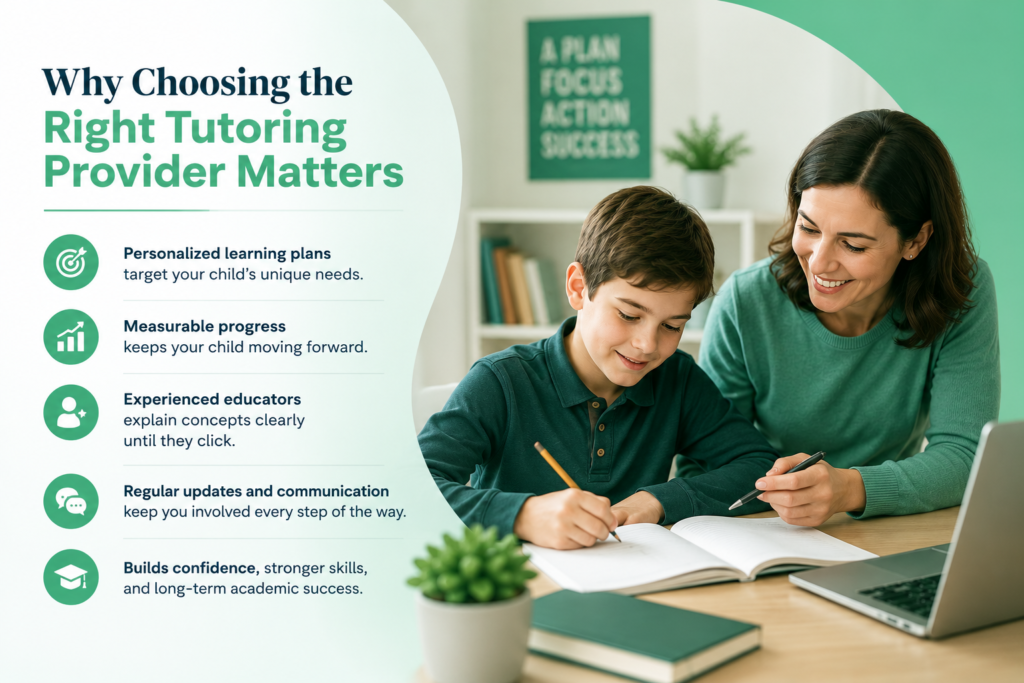
Choosing a tutoring provider is a decision for parents. Every tutor can help kids with their homework. The right tutor can really change how a kid learns and grows.
A good tutoring program does not start by guessing what a student needs. It starts by finding out where the student is struggling and where the student is doing well. Then a special plan is made for the student so each session is about the things the student needs to work on. This way students keep moving and do not waste time on things they already know.
Good tutoring is not about getting better grades. It is also about helping kids feel good about themselves again. When a kid finally understands a math problem or feels ready for the Digital SAT that feeling of being confident stays with them. It helps them in the classroom and in areas of life.
It matters that tutors have experience teaching. Tutors who have taught before know how to explain things in ways until the student understands. Parents should also know how their kid is doing so it is important for tutors to give updates and be honest. Knowing what is getting better and what still needs work helps everyone work together.
The best tutoring does not promise results. It gives students a clear plan and consistent guidance that helps them build skills, feel confident and do well in school for a long time.
Here are 7 things every parent should look for in a TEFA approved tutoring provider.
How to Choose a Tutor for Your Child
1. Choose Instructors Who Have Experience Teaching In Class
A tutor should be someone who has previous experience of teaching a class in a school, not just someone who may be in school or a tutor found online. Ask the tutor about their experience, what they are qualified to teach and which certifications they have.
2. The Tutor Should Give a Test To See What Your Child Needs Help In
A good tutor should give a test to see what your child is struggling with so that the tutor can know how to help your child. Learn more about our personalized tutoring services designed around diagnostic assessments.
3. Find A Tutor Who Creates A Learning Plan Specifically For Your Child
Each child is different, so a tutor needs to create a plan to teach each child based on how they learn and how they need to be taught.
4. Ask Them How They Measure Their Student’s Progress
Ask the tutor how they measure their students’ progress to see if they really help their students learn. You should be updated on how the tutor is helping your child and what they still need help in. So you can help them learn too.
5. Choose A Tutor That Has The Ability To Help Your Child Learn From Home Through Their Tutoring
If your child needs help at home then a good tutor should know how to work around that. So that the child could learn from home through a screen. They should have access to the child and have some sort of white board for them to learn with.
6. A Good Tutor Should Update You On Their Students’ Progress And Meet With You
A good tutor should update you weekly and meet with you to see how they can help your child with their knowledge. So your child can be the best learner they can possibly be.
7. Find A Tutor Who Is Knowledgeable About The Topics Your Child Needs To Learn
They should have lots of information on the topics that they need to learn on. If your child needs to learn for a certain test such as the STAAR, ISEE SAT OR ACT make sure the tutor has helped previous students get ready for the test. So that they could be able to help your child be successful on the test as well.
8. Ask Past Parents For Recommendations For A Tutor
Before you choose a tutor, ask past parents for recommendations. If parents have good things to say about the tutor, and their children get good grades, it will benefit your child’s future.
Questions Every Parent Should Ask Before Enrolling
Before you commit, ask the provider directly:
- Are you a confirmed, approved TEFA Education Service Provider, and can you show proof of that status?
- How do I apply my TEFA funds through my Odyssey account once I choose you?
- What does your diagnostic assessment process look like before you build a learning plan?
- Are sessions led by certified educators, or by freelance and part-time tutors?
- How often will I receive progress reports, and what will they actually tell me?
- What happens if the tutor isn’t the right fit for my child?
- Can you support a student with an existing IEP or specific learning needs?
Choosing a tutoring provider based only on cost
- Focusing on a tutor’s personality instead of their teaching experience and qualifications
- Not setting clear goals or tracking a student’s progress
- Using one-size-fits-all lessons instead of personalized learning plans
- Waiting too long to get academic help instead of starting early
Benefits of Choosing the Right TEFA Tutoring Provider
- Improved grades and greater classroom confidence
- Stronger study skills and better learning habits
- Better preparation for standardized tests such as the Digital SAT, PSAT, ISEE, and STAAR
- Higher standardized test scores
- Increased confidence in academic abilities
- Long-term academic success beyond a single semester of tutoring
- Personalized support from a TEFA-certified educator to help students reach their goals
Final Thoughts
Choosing a TEFA approved tutoring provider in Texas is one of the more consequential decisions you’ll make this school year. The right partner offers certified teacher expertise, a diagnostic-driven personalized learning plan, real progress tracking, and consistent parent communication the same standard every Texas family deserves.
Every student can learn. They just need a guide to get there.
If you’re a Texas family exploring TEFA-funded tutoring, Coombs Test Prep & Tutoring Hub, LLC would be glad to talk through your child’s specific needs and goals and help you decide on the right next step. Reserve your child’s spot today or reach the team at 832-465-7877 or info@coombstutoring.com